Why Tokyo Ghoul Deserved Better: A Critique of the Anime Adaptation and its Failure to Translate the Manga's Complexity
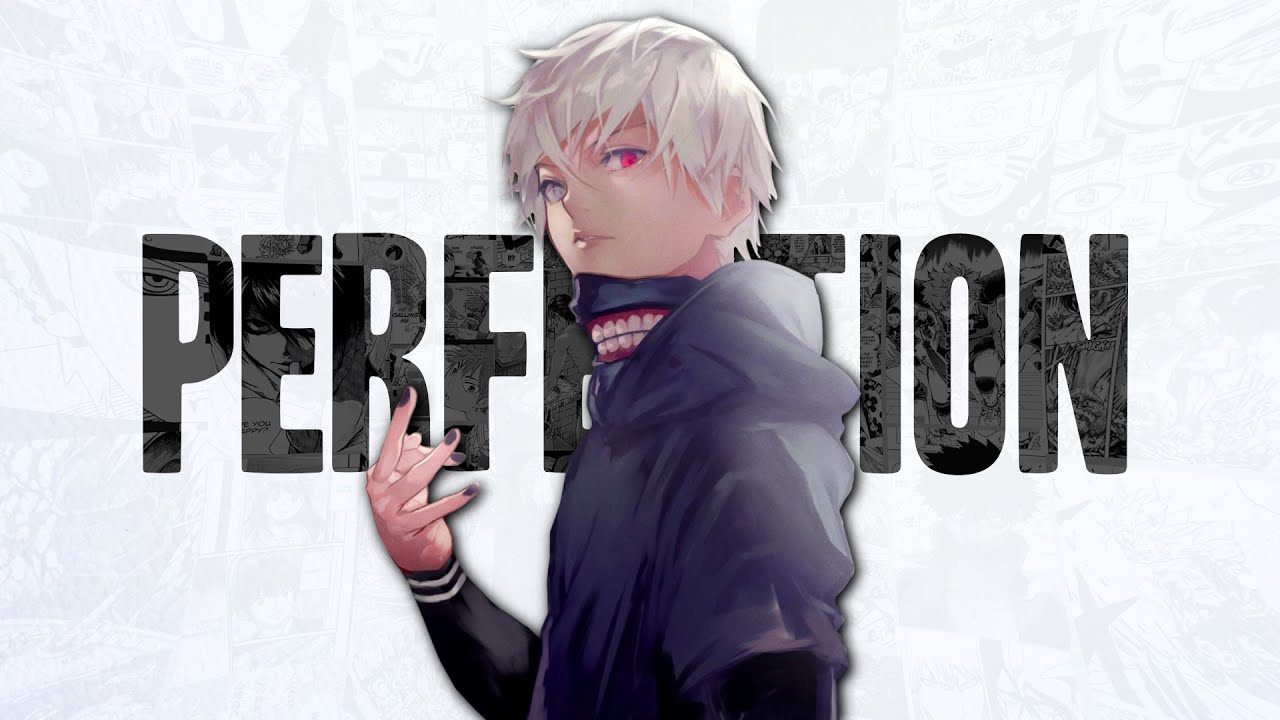
When the Tokyo Ghoul anime debuted, it was met with immense popularity, largely driven by its iconic imagery and the unforgettable opening theme, "Unravel." Yet, for fans of Sui Ishida's original manga, the adaptation remains a source of frustration. The anime, particularly in its second and third seasons (Root A and Tokyo Ghoul: re), failed to fully grasp and translate the nuanced plot, intricate storytelling, and deep character complexity that made the source material a masterwork.
1. Plot Condensation and Loss of Context
The most egregious flaw of the anime adaptation was its aggressive pacing and severe plot condensation.
- The Root A Deviation: Season 2, Tokyo Ghoul √A (Root A), famously broke from the manga's canon, showing Kaneki joining Aogiri Tree under ambiguous pretenses. While the intent may have been to explore a darker path, this deviation severed the narrative logic and the precise emotional triggers that defined Kaneki's character development in the manga. The manga's narrative is a carefully laid trail of breadcrumbs; the anime bulldozed straight to the destination, sacrificing vital character moments and world-building context along the way.
- Rushed Tokyo Ghoul: re: The adaptation of Tokyo Ghoul: re attempted to cram what was essentially 179 manga chapters into only 24 anime episodes. This resulted in crucial events, character introductions, and political machinations being rushed or completely cut. The shift from psychological horror to grand war (as seen in the manga) felt jarring and underdeveloped in the anime because the necessary bridge of character relationships and world-building was never adequately established.
2. Failure to Capture the Psychological Core
The manga excelled as a psychological horror by immersing the reader in Kaneki’s internal monologue and existential crisis. The original series was defined by slow, agonizing character transformation.
- Internal Monologue is Key: The manga used Kaneki's thoughts, inner turmoil, and poetic narration to convey the horror of his identity struggle. The anime struggled to translate this inner complexity, often relying on visual shock or action sequences instead. This left the animated character feeling less like a tragic figure wrestling with two identities, and more like an "edgy" protagonist who simply fought a lot.
- The Torture Scene: While visually striking, the infamous torture scene lost its profound psychological weight in the anime. The manga focused on the logical, heartbreaking breaking point where Kaneki made a conscious choice based on his mother's lack of resolve. In the anime, this moment felt more like a quick catalyst for a power-up, minimizing the critical thematic shift from denial to anger.
3. Visuals and Ambiguity
Sui Ishida's art style is distinctive, using intense shading and abstract, often unsettling imagery to convey the grotesque reality of the ghoul world.
- Censorship and Censor Bars: Early seasons, particularly, were marred by excessive censorship, employing dark shadows or black censor bars during violent moments. This drastically undercut the impact of the scenes and the brutal atmosphere the story aimed to create, undermining the horror elements that were so central to the narrative.
- The Art of Chaos: Ishida's paneling, especially during fights, masterfully conveyed chaos and movement. While animation should, in theory, enhance this, the anime's action sequences often felt confusing, making certain plot points difficult to follow, especially when key character abilities or motives were involved.
In conclusion, while the Tokyo Ghoul anime delivered a compelling soundtrack and memorable character designs, it ultimately betrayed the foundational elements of its source material. It failed to appreciate that the story's complexity lay not just in its fights, but in the internal anguish, moral ambiguity, and meticulously crafted character progression that cemented the manga as a modern classic.
Comments (Write a comment)
Showing comments related to this blog.