The Horror of Identity: Exploring the Specific Elements that Made the Original Tokyo Ghoul a Masterclass in Psychological Horror
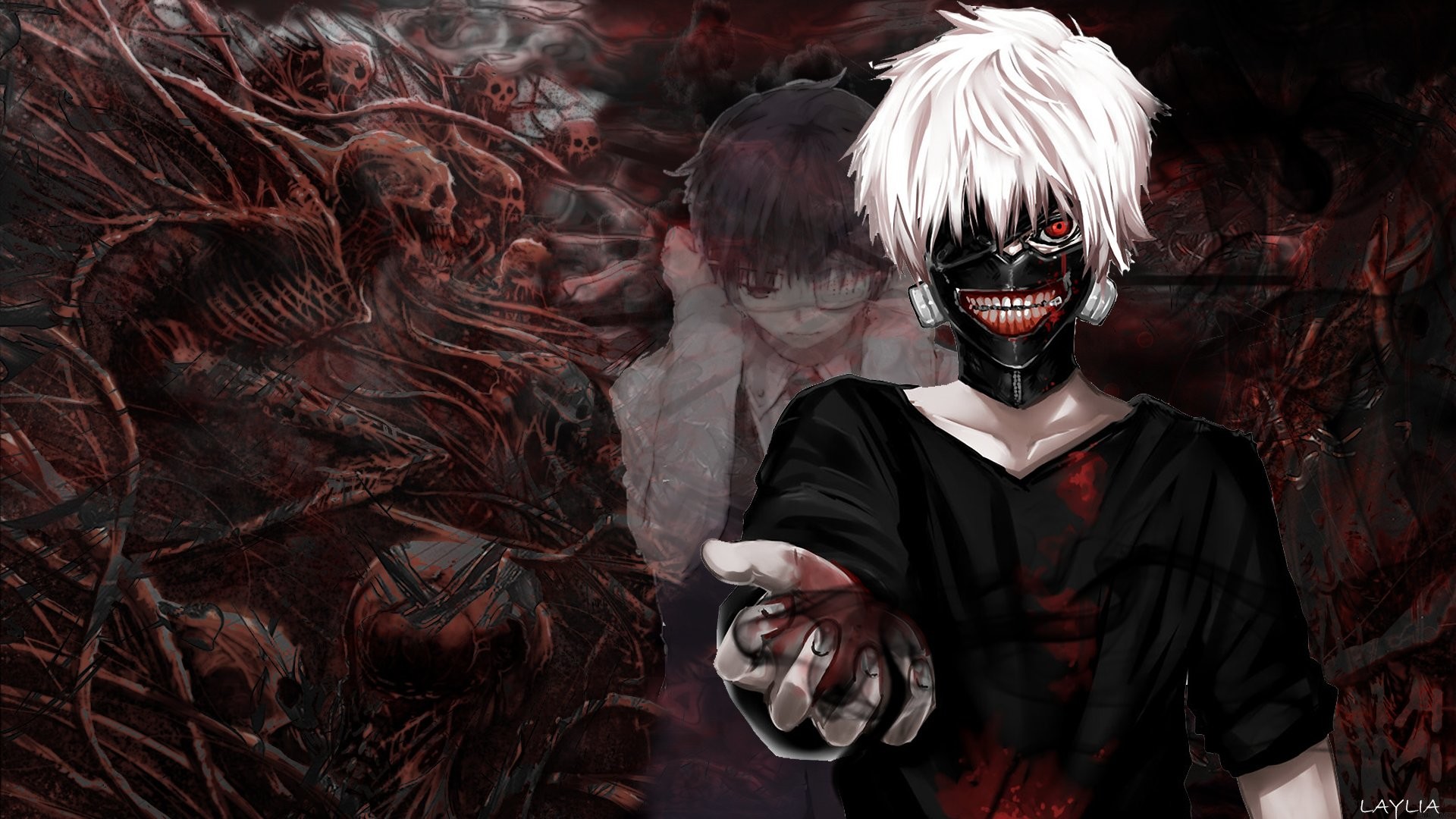
When Tokyo Ghoul first premiered, it quickly cemented itself as more than just a supernatural action story. The original run of the manga and its initial anime adaptation excelled at crafting a chilling atmosphere of psychological horror, largely eschewing typical jump scares for a persistent, existential dread centered on the protagonist’s fractured identity and sense of self.
The true horror of Tokyo Ghoul is not in the monsters that lurk in the dark, but in the monster within the protagonist, Kaneki Ken.
1. Body Horror and Existential Dread
The foundation of the series’ horror is the traumatic and irreversible change Kaneki undergoes: becoming a ghoul.
- The Hunger: The most immediate and potent form of horror is the ghoul's diet—the absolute necessity of consuming human flesh. The constant, gnawing hunger forces Kaneki to confront the reality that his survival is inherently dependent on the death of beings he still considers his own kind. This is the ultimate existential nightmare: being biologically programmed to destroy the very identity you cherish.
- The Uncontrollable Body: Kaneki’s body ceases to be a safe, familiar vessel. The agonizing pain of the Kagune erupting from his back, the desperate gagging at the smell of human food, and the physical transformation of his eye into a red-and-black Kakugan all contribute to a powerful sense of body horror. His identity is literally tearing him apart, making him a stranger in his own skin.
2. The Isolation of the Liminal Space
Kaneki's life becomes defined by existing in a liminal space—a threshold between two distinct worlds (human and ghoul) where he belongs to neither.
- Social Isolation: He cannot fully return to the human world, as he risks exposing his ghoul nature. He cannot fully commit to the ghoul world without sacrificing his moral compass. This state of perpetual secrecy and isolation breeds a specific type of horror: the inability to connect authentically with anyone, constantly wearing a mask, both literal and figurative.
- Moral Ambiguity: The world of Tokyo Ghoul quickly establishes that neither side is purely good. Ghoul society has its compassionate elements (Anteiku), and the human resistance (CCG) has its brutal, unforgiving enforcers. This lack of a clear hero/villain divide forces Kaneki (and the reader) into a constant state of moral questioning, turning every decision into a terrifying ethical gamble.
3. The Torture Scene: A Psychological Breaking Point
The pinnacle of the original series' psychological horror is the torture scene orchestrated by Yamori ("Jason"). This scene strips away all external factors to focus purely on Kaneki’s internal fracturing.
- Forced Resolution: The physical torture is brutal, but the true terror is the psychological breaking Kaneki endures, as his hallucination of Rize forces him to confront his denial. Rize argues that his weakness and his refusal to use his strength have caused the suffering of others. The moment he accepts the ghoul within—by symbolically "devouring" Rize—he sheds his human identity for a persona driven by anger and resolve. This self-destruction is a terrifying, decisive moment of character development.
By centering its narrative on internal trauma, forced transformation, and the horror of being fundamentally separated from one's own species, the original Tokyo Ghoul transcended genre conventions to become a true masterclass in psychological horror
Comments (Write a comment)
Showing comments related to this blog.