From Psychological Horror to Grand War: How Tokyo Ghoul: re Successfully Switched its Core Narrative and Expanded the World
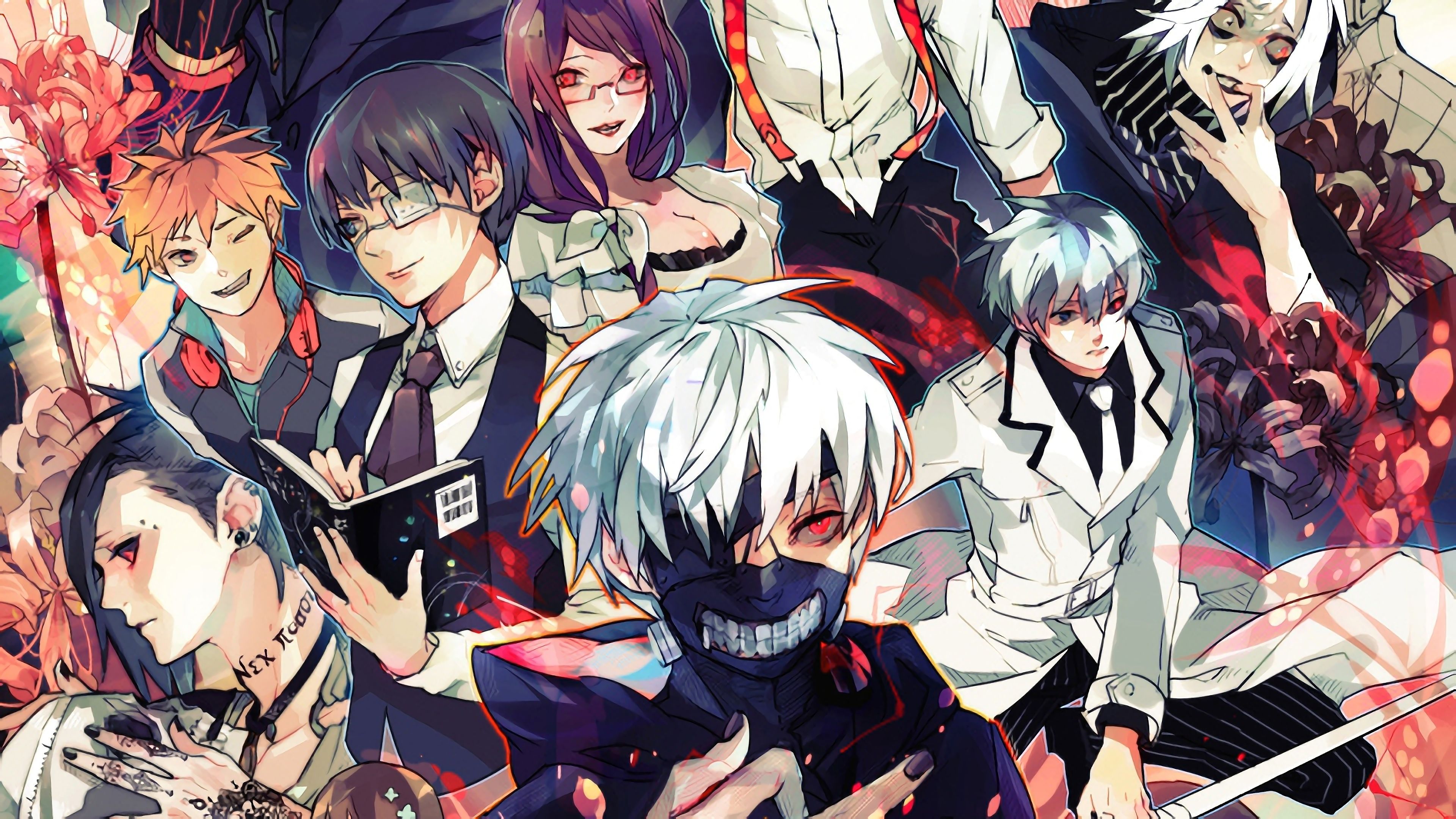
The original Tokyo Ghoul (Part 1 of the manga) captivated audiences with its claustrophobic, intense psychological horror focus. The story was a deeply personal one, centered on Kaneki Ken's struggle to reconcile his human identity with his newfound nature as a ghoul. The world felt dangerous, the threats were immediate, and the narrative was tightly focused on survival, identity crisis, and the moral gray area between two species.
However, its sequel, Tokyo Ghoul: re, made a bold and difficult pivot. It shed the intimate, horror-driven atmosphere for a grander military and political thriller—a story of large-scale faction wars, systemic corruption, and a massive expansion of the world's lore. The success of this transition is a rare feat in long-running manga, demonstrating skillful planning and execution in plot, character, and world-building.
1. The Anchor: Character Re-Invention (Kaneki as Sasaki Haise)
The most crucial element of the narrative switch was the introduction of Haise Sasaki, Kaneki's new identity. By wiping Kaneki's memory and placing him as a Ghoul Investigator (CCG) squad leader, the story achieved two vital goals:
- Internalizes the Conflict: The original story was about a human becoming a ghoul; Tokyo Ghoul: re became about a ghoul trying to be human again, and working for the organization sworn to destroy his own kind. This re-contextualized the psychological struggle—now one of internal memory and self-hatred—while immediately inserting the protagonist into the heart of the "enemy" organization.
- A World Tour: Sasaki's role as a CCG investigator allowed the story to organically explore the CCG's corruption, inner politics, and complex motivations of its personnel. This was a perspective the audience was completely denied in Part 1, instantly expanding the scope from the dark alleyways of the 20th Ward to the halls of government power.
2. Plot Shift: From Personal Survival to Systemic Conflict
The original narrative often focused on Kaneki trying to protect a small cafe, Anteiku, and finding a small place to exist. The plot was episodic, often focusing on a single ghoul threat or a desperate escape.
Tokyo Ghoul: re elevated the stakes by revealing the true scale of the conflict. It wasn't just about Ghouls vs. Humans; it was about the V organization, the Washuu Clan's lineage, and the deep-seated secrets that powered the entire CCG.
The story moved from isolated skirmishes to large-scale military operations and political maneuvering. The introduction of major factions like the Clowns and the Aogiri Tree's full might, alongside the CCG's special squads (like the Quinx Squad), transformed the reading experience into one of strategy, betrayal, and massive-scale warfare.
3. World-Building: Expanding the Ghoul Ecosystem
A successful shift in genre requires a stable, yet expanding, setting. Tokyo Ghoul: re used the new plot to introduce critical world-building elements that justified the 'Grand War' feel:
- The Quinx Squad: The surgical implantation of Kagune into human investigators (the Quinx) blurred the line between species in a new, institutional way. This wasn't just Kaneki's unique tragedy; it was a new weapon, proving that the CCG was willing to become what it fought to win the war.
- Ranks and Titles: The focus on the CCG brought a detailed, military hierarchy into the story, complete with Special Class Investigators and specific missions. This structure gave the global conflict clear, understandable stakes and objectives, replacing the vague, constant threat of Ghoul life.
The ability of Tokyo Ghoul: re to completely change its narrative framework—from a dark, internal character study to a sweeping political and military epic—without losing its emotional core is a testament to the strength of its foundational characters and the author’s bold vision. While some fans may have preferred the intimacy of the earlier horror, the expansive plot of the sequel successfully transformed a psychological thriller into one of the decade's most complex war sagas.
Comments (Write a comment)
Showing comments related to this blog.