The Story Structure That Actually Works (Because It's Based on How Your Brain Works)
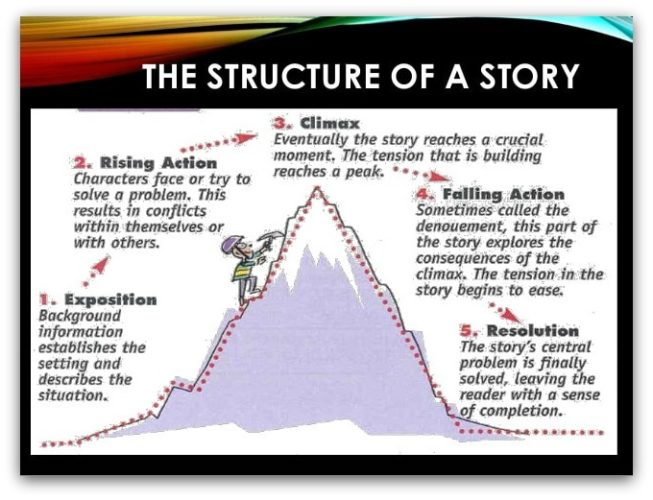
Let me guess: you've heard about the Hero's Journey, Save the Cat, the Three-Act Structure, and about seventeen other plotting methods, and now your head is spinning.
You're thinking, "Do I really need the inciting incident at exactly page 15? Must the midpoint twist happen at precisely 50%? What if my story doesn't fit the formula?"
Here's the liberating truth: Your outline should serve you, not trap you.
And there's one approach to story structure that's flexible enough to bend with your creative vision while still giving you a rock-solid framework. Even better? It's backed by psychology and brain science, which means it works with how humans are naturally wired to process stories.
Why Most Story Structures Feel Restrictive
Traditional story structures often focus too heavily on external events—the plot points, the action beats, the dramatic reversals. They tell you what should happen and when, but they don't always explain why these moments matter to your characters.
The result? Stories that hit all the "right" beats but somehow feel hollow. Plots that move forward without emotional resonance. Characters who react to events instead of driving them.
Sound familiar?
The Character-Based Three-Act Structure
This approach flips the script. Instead of asking "What happens next in the plot?" it asks "How does this moment transform my character?"
Because here's what brain science tells us: Memorable stories are all about character change. That's what makes readers fall in love with a story and never forget it.
The Basic Flow
Every compelling character arc follows this journey:
- Your character is internally conflicted (they want something, but fear stands in their way)
- Something pushes them outside their comfort zone (hello, inciting incident)
- They pursue their fear-based goal and encounter obstacles (the meat of Act 2)
- Disaster strikes, forcing them to confront their greatest fear (the dark moment)
- They overcome their misbelief to face the final challenge (proving their transformation)
Notice how every single beat is filtered through the lens of character psychology? That's the secret.
The Three Acts (Simplified)
Act One: The Setup
- The Hook: Show us your character's normal world and hint at their internal conflict
- Inciting Incident: Something happens that disrupts their status quo
- Impossible Choice: They must decide whether to stay safe or pursue their goal
- First Plot Point: They commit to the journey (even if reluctantly)
Act Two: The Conflict
- Reaction: They try to solve problems using old methods (spoiler: it doesn't work)
- Plot Twist: New information changes everything
- Action: They adapt and push forward with new understanding
- Supposed Victory: Things seem to be working out...
- Disaster: Everything falls apart in the worst possible way
Act Three: The Resolution
- Dark Moment: They face their deepest fear and almost give up
- Aha Moment: They realize their misbelief has been wrong all along
- Climactic Confrontation: Armed with new truth, they face the final challenge
- Resolution: We see how they've transformed
Why This Structure Works (The Science)
This structure aligns with how your brain processes narrative:
1. It triggers curiosity. Humans are hardwired to want resolution to conflict. When you set up internal conflict early, readers need to know how it resolves.
2. It creates emotional investment. We don't just watch events unfold; we experience them through someone who's struggling with universal human challenges.
3. It provides satisfying closure. Our brains crave transformation and growth. When a character overcomes their misbelief, we feel that catharsis deeply.
4. It transcends genre. Whether you're writing a cozy romance or an epic space opera, humans respond to human struggles. This structure works because it's rooted in psychology, not genre conventions.
The Beautiful Part: It's Bendable
Here's what makes this approach different from rigid beat sheets:
You don't need the inciting incident at exactly 15% of your book. You don't need the midpoint twist at precisely the halfway mark. You don't need to follow anyone's formula to the letter.
Once you understand the psychology behind each story beat—why it matters to your character's internal journey—you can adjust the structure to serve your specific story.
Example: Maybe your character's "aha moment" doesn't happen right before the climax. Maybe it happens earlier, and the climax is about them having the courage to act on their new understanding. That's fine! As long as you understand the emotional purpose of each beat, you can rearrange them.
Making It Work for Pantsers and Plotters Alike
If you're a plotter: Use this structure as a detailed roadmap. Fill out every beat. Make notes about how each moment connects to your character's internal arc. Create a comprehensive outline that gives you confidence.
If you're a pantser: Use just the basic flow. Understand that your character starts with a misbelief, something pushes them to change, they resist, disaster forces the issue, and they transform. That one-paragraph summary might be all you need to start drafting.
If you're somewhere in between: Pick and choose. Maybe you outline Act One in detail, pants your way through Act Two, then outline Act Three once you know where your characters have landed. There's no wrong answer.
The One-Paragraph Outline
Want to keep it super simple? Answer this in one paragraph:
"My character believes [MISBELIEF] which makes them [DISSATISFIED]. When [INCITING INCIDENT] happens, they pursue [GOAL] to find happiness. They encounter [OBSTACLES] that challenge them. Eventually [DISASTER] strikes, forcing them to confront [GREATEST FEAR]. They must overcome their fear and crush their misbelief to [FACE FINAL CHALLENGE], ultimately proving [TRANSFORMATION]."
That's it. That's your entire story structure.
You can write a complete novel from that one paragraph. Will you need to figure out the details? Absolutely. But you'll have the emotional throughline that keeps readers engaged from beginning to end.
Three Questions to Test Your Structure
Before you start drafting (or if you're stuck mid-draft), ask yourself:
- How is my character's central goal forcing them to change? (If the goal doesn't connect to their internal journey, reconsider it)
- What obstacles arise specifically because they're pursuing a fear-based goal? (Generic obstacles aren't as powerful as ones rooted in character psychology)
- How does my character ultimately transform as a result of this journey? (If they're the same person at the end, you might not have a complete arc)
The Bottom Line
Story structure isn't about hitting arbitrary page counts or checking off required beats. It's about understanding the psychological journey your character takes from misbelief to truth, from fear to courage, from dissatisfaction to fulfillment.
When you structure your story around character transformation—and understand why each beat matters emotionally—you create something that resonates on a primal level.
Because you're not just crafting a plot. You're mapping the universal human experience of growth, struggle, and change.
And that? That's a story readers will remember long after they've forgotten the specific plot twists.
Your Next Step
Take your current story (or story idea) and write out that one-paragraph structure. Focus on the internal journey, not just the external events.
If you can articulate how your character transforms from misbelief to truth, you've got the foundation for a powerful story. Everything else is just details.
Ready to take your structure even deeper? The next post breaks down how to weave meaningful themes into every layer of your story—naturally, without preaching.
Comments (Write a comment)
Showing comments related to this blog.