Judge Your Novel 'On Its Own Terms': A Master Class in Vision and Tone
Introduction
In the overwhelming world of publishing, it's easy to get lost comparing your emerging novel to a bestseller that does something completely different. This comparison is dangerous because it ignores a foundational principle of great writing: A story must be judged only on the terms it sets for itself.
For a novelist, this means achieving absolute clarity on your story's vision, tone, and genre promise. Is it a heartfelt romance? A brutal, high-stakes thriller? A dark comedy? If you attempt to be all things to all people, you fail the story's own terms. This post will guide you in defining your novel's unique contract with the reader and ensuring your craft supports that vision above all else.
1. Define the Genre Contract Clearly
The first step in setting your story’s terms is to define its core genre and tone. This isn't just a marketing label; it's a structural and thematic roadmap. A comedy should deliver jokes; a horror story must deliver scares. If your core promise is broken, the reader feels betrayed, even if the writing is technically proficient.
Actionable Tip: Before you draft, create a single-sentence declaration of your story's identity (e.g., "A post-apocalyptic mystery driven by political intrigue and a cynical but kind narrator.") Every major plot point and character decision should filter through this lens. If you are writing a comedy, you must ensure you have the capacity to deliver the humor consistently. If you're tackling epic fantasy, the world-building must support the scope. The story must succeed at what it claims to be.
2. Consistency of Tone is Commitment
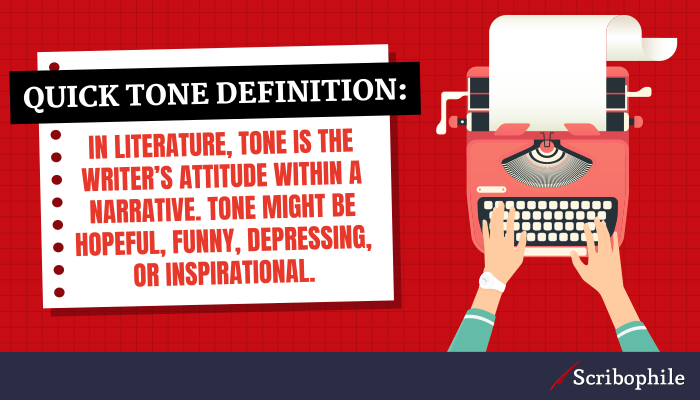
Tone is the emotional landscape of your novel, and it must remain consistent to sustain the reader’s immersion. A story that shifts erratically from slapstick to gritty realism is telling the reader that the writer isn't fully committed to the initial vision.
The Writer's Commitment: Your job is to commit fully to the established tone, even when it’s difficult. For example, if your novel is a high-stakes, realistic thriller, introducing a sudden, fourth-wall-breaking meta-joke, simply because you thought it was funny, undermines the reality you spent chapters building. You must write with "absolute confidence" in the world and tone you have created. When the reader senses the author's confidence in the vision, they trust the author to guide them through the most complex parts of the narrative.
3. The Power of Creative Constraints
Defining your story’s terms is not restrictive; it is clarifying. When you know exactly what your story is trying to be, you are empowered to make creative decisions. This focus helps you decide what information is necessary and what should be cut.
Applying the Filter: If a scene or character idea does not enhance the genre promise or support the core tone, it likely doesn't belong. This is particularly useful in refining your concept. When reinventing a familiar character or trope (such as in genre fiction), the trick is to find the core, authentic human element—the "truth"—and build the new interpretation entirely from that foundation. This commitment to a core idea, rather than external expectations, allows for genuine reinvention.
Conclusion
Stop measuring your work against novels that have entirely different objectives. Your primary objective is to fulfill the promise you made to your reader in the first few pages. By clearly defining your story’s terms—its genre, its vision, and its unique emotional contract—you gain the confidence and focus necessary to write a novel that succeeds brilliantly on its own merits.
Practical Tip/Worksheet Idea
The Vision Test: Write a short paragraph describing what a literary critic would say if they loved your novel and what they would say if they hated it, based only on the terms you set. For instance: "Loved it because of its dark, relentless humor. Hated it because the darkness was too pervasive." This exercise solidifies your understanding of the story’s core trade-off and ensures you are making bold, intentional choices.
Comments (Write a comment)
Showing comments related to this blog.