Reptilian Conspiracies in Popular Culture: From Lovecraft to Modern Media
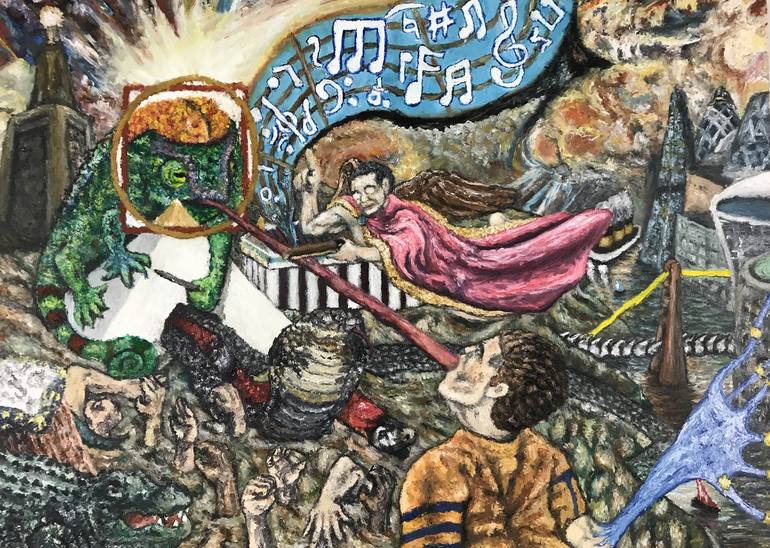
The idea of reptilian beings secretly controlling humanity has fascinated and terrified people for decades. From the eerie tales of H.P. Lovecraft to modern conspiracy documentaries, the concept of reptilian overlords has permeated popular culture, blending myth, science fiction, and conspiracy theories.
Origins in Literature
H.P. Lovecraft's Cthulhu Mythos introduced the world to ancient, god-like beings with alien origins. While not explicitly reptilian, Lovecraft's creatures inspired later works that explored the idea of non-human entities influencing human affairs. The themes of hidden knowledge, forbidden texts, and cosmic horror laid the groundwork for reptilian conspiracy theories.
Reptilian Themes in Movies and TV
Modern media has embraced the reptilian conspiracy narrative in various forms:
- V (1983, 2009): A sci-fi series where alien visitors, disguised as humans, are revealed to be reptilian in nature.
- They Live (1988): John Carpenter's film explores a world where aliens control society through subliminal messages.
- Doctor Who (2005–present): The Silurians, a race of reptilian humanoids, are depicted as Earth's original rulers.
- Conspiracy Documentaries: Films like Reptilian Aliens: Masters of Global Control delve into the idea of reptilian elites manipulating world events from the shadows.
Impact on Pop Culture
The reptilian conspiracy theory has become a staple of internet culture, memes, and alternative media. It taps into deep-seated fears of hidden control and the unknown, making it a compelling narrative for storytelling. Whether through horror, science fiction, or satire, the idea of reptilian overlords continues to captivate audiences worldwide.
Conclusion
From Lovecraft's cosmic horrors to modern conspiracy documentaries, the reptilian conspiracy theme remains a powerful and enduring element of popular culture. It reflects humanity's fascination with the unknown and the desire to uncover hidden truths—even if those truths are more myth than reality.
Comments (Write a comment)
Showing comments related to this blog.