Possession vs Oppression: Understanding Different Types of Demonic Attacks
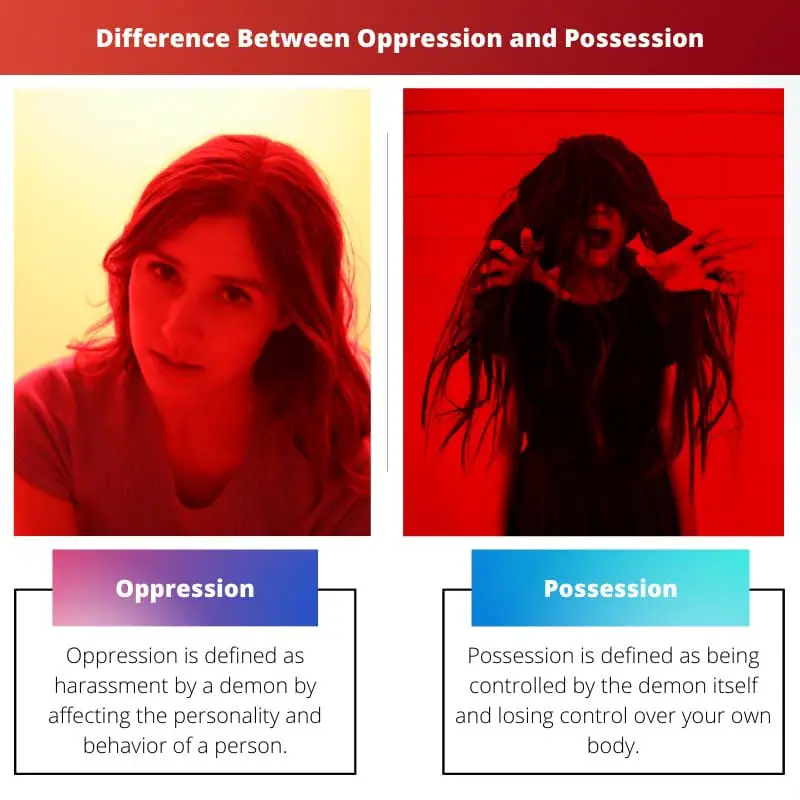
Not all demonic attacks are the same. While Hollywood shows us extreme possession with spinning heads and levitation, the reality is far more nuanced. Demonic influence exists on a spectrum - from minor harassment to complete control.
Dr. Richard Gallagher, a psychiatrist who has spent 25 years investigating these phenomena, explains that understanding the difference between possession and oppression is crucial for proper diagnosis and treatment.
What is Possession?
Possession is when an evil spirit has the ability to take over control of a person's agency.
Think of it as the demon gaining access to the control panel of someone's body and mind. The person loses voluntary control - sometimes completely, sometimes partially.
The Spectrum of Possession
Even possession itself exists on a continuum:
Severe Possession (Most Extreme):
- The demon can put the individual into a complete trance
- The demon speaks and acts through the person
- The victim has zero awareness of what's happening
- They remember nothing when they come out of the trance
- The demon has full control during manifestation
Moderate Possession:
- Possessions that come and go
- The demon has periodic control
- Episodes are less frequent or intense
- Some awareness may be retained
- Control is partial rather than absolute
Lesser Possession:
- The demon has limited but serious control
- May affect specific behaviors or moments
- Victim has more awareness
- Episodes are shorter or less dramatic
What is Oppression?
Oppression represents a broader category of demonic attacks that are actually more common than full possession.
In oppression, the demon does not take control of the person's agency. Instead, it attacks the person from the outside or influences them in targeted ways.
Types of Oppressive Attacks
Mental Attacks:
- Persistent intrusive thoughts beyond normal temptation
- Overwhelming negative emotions that come from nowhere
- Confusion, fear, or despair that defies logical explanation
- Attacks on mental clarity or decision-making capacity
Physical Attacks: Dr. Gallagher has seen hundreds of cases where perfectly sane people report being physically attacked by evil spirits:
- Being choked during sleep
- Unexplained scratches appearing on the body
- Physical pain with no medical cause
- Feeling physically pushed or struck
- Pressure on the chest or body
Spiritual Attacks:
- Blockages in prayer or religious practice
- Overwhelming aversion to sacred things
- Persistent temptations toward specific sins
- Spiritual dryness or despair
Environmental Attacks:
- Disturbances in the home (sounds, movements)
- Objects moving or disappearing
- Oppressive atmosphere in certain spaces
- Sense of being watched or followed
The Key Difference
Possession = Loss of Control The demon takes over. The person becomes a passenger in their own body.
Oppression = External Attack The demon attacks from outside. The person retains their agency but is under assault.
Classic Signs of Severe Possession
When diagnosing severe possession, Dr. Gallagher looks for a specific combination of features that cannot be explained by mental illness:
1. Speaking Unknown Languages
The person suddenly speaks fluent foreign languages they never studied or were exposed to.
Example: An uneducated Midwestern woman who never left her state suddenly spoke fluent Bulgarian during an exorcism - specifically to communicate with a priest who was born in Bulgaria.
This is called xenoglossy, and it's one of the most convincing signs because it's scientifically inexplicable.
2. Hidden Knowledge
The possessed person knows things they could not possibly know:
- Private information about strangers
- Events happening elsewhere
- Secrets from people's past
- Details about individuals they've never met
3. Supernatural Strength
Strength that goes beyond what psychiatric agitation can explain.
While agitated psychiatric patients can be very strong, possessed individuals display strength that requires multiple people to restrain them - combined with other supernatural signs.
4. Going Into Trances
The person enters altered states of consciousness where:
- Their personality completely changes
- A different voice speaks through them
- They have no memory of what occurred
- The demon manifests and identifies itself
5. Extreme Hostility Toward Religious Objects
Not just discomfort, but violent, irrational reactions to:
- Holy water
- Crosses or religious symbols
- Prayer or scripture
- Blessed objects
- Sacred names (Jesus, Mary, etc.)
The Combination Matters
Dr. Gallagher emphasizes: "A mentally ill person or medically ill person doesn't all of a sudden start speaking a foreign language they never knew. They don't have hidden knowledge about things. These are the classic signs of severe possession."
It's the combination of multiple features that confirms possession, not just one symptom.
Someone having nightmares isn't possessed. Someone with unusual strength during a psychotic episode isn't possessed. But someone who speaks unknown languages, has hidden knowledge, enters trances, demonstrates supernatural strength, AND shows extreme hostility to religious objects? That's a different situation entirely.
Oppression: The More Common Reality
While possession is rare, oppression is relatively more common.
Many people who seek help from exorcists are actually dealing with oppression rather than possession. They're under attack but not under control.
Signs You Might Be Experiencing Oppression:
Physical Manifestations:
- Waking with unexplained bruises or scratches
- Feeling choked or pressed during sleep
- Physical sensations of being touched when alone
- Chronic pain that doctors cannot diagnose
Psychological Symptoms:
- Persistent terrifying nightmares
- Overwhelming fear or dread in certain locations
- Intrusive thoughts of unusual violence or blasphemy
- Sudden personality shifts toward anger or cruelty
Spiritual Symptoms:
- Inability to pray despite wanting to
- Physical reactions when trying to attend religious services
- Overwhelming doubt or despair about faith
- Compulsions toward occult or dark practices
Environmental Signs:
- Unexplained sounds (footsteps, voices, knocking)
- Objects moving on their own
- Doors opening/closing without cause
- Oppressive feeling in certain rooms
Important Distinctions
Not Every Attack is Constant
Neither possession nor oppression manifests 24/7. They come and go.
A possessed person isn't in a trance all day. The demon manifests periodically. Between episodes, they may seem completely normal.
Similarly, oppressive attacks come in waves. Someone might go days or weeks without incident, then experience intense attacks.
Medical Issues Must Be Ruled Out First
Before considering any demonic explanation, thorough medical and psychiatric evaluation is essential.
Dr. Gallagher is emphatic about this: You must rule out:
- Psychotic disorders
- Dissociative identity disorder (formerly multiple personality disorder)
- Histrionic personality disorder
- Sleep paralysis (for choking sensations)
- Dermatological conditions (for scratches)
- Neurological disorders
- Medication side effects
If medicine can explain it, it's not demonic.
Who Gets Attacked and How?
Possession Typically Requires:
- Deliberate turning toward evil practices
- Involvement in Satanism or dark occult practices
- Participation in harmful rituals
- Worship of evil entities
- Serious, persistent engagement with darkness
Dr. Gallagher notes: "People who get possessed are by and large people who have turned to often evil or something very dark in terms of practices."
Oppression Can Result From:
- Traumatic experiences creating vulnerability
- Bitterness and unforgiveness
- Dabbling in occult practices (Ouija boards, séances)
- Use of psychedelics seeking "spiritual experiences"
- Association with cursed objects
- Visitation to places of intense evil
- Being targeted by someone practicing magic
However, oppression can also happen to good people who are being tested or who inadvertently opened doors.
The Continuum Analogy
Think of demonic attacks like degrees of home invasion:
Minor Oppression: Someone knocking on your windows, trying to scare you
Moderate Oppression: Someone breaking windows, causing property damage
Severe Oppression: Someone entering your home and threatening you
Lesser Possession: Someone occasionally taking control of rooms in your house
Moderate Possession: Someone living in your house and taking control frequently
Severe Possession: Someone completely taking over your house while you're locked in the basement
The "house" is your body and soul. Oppression is attacks from outside. Possession is takeover from inside.
Treatment Differences
For Possession:
- Formal exorcism by authorized priest
- Extended sessions over weeks or months
- Victim must cooperate and reform their life
- Complete break from evil practices required
- Spiritual discipline and prayer essential
For Oppression:
- Prayers of deliverance (less formal than exorcism)
- Removal of occult objects from home
- Increased prayer and spiritual practice
- Sacraments and blessing of home
- Sometimes resolves more quickly than possession
The Role of Free Will
Both possession and oppression respect human free will to a degree.
Even during severe possession, the person had to initially open doors through their choices. And deliverance requires the person to actively choose freedom and reform their life.
Dr. Gallagher shares the example of the Satanist woman who levitated: "Ultimately she didn't really want to leave the cult. So she was never delivered. You can't have it both ways."
No one can be freed against their will. They must want deliverance and work toward it.
Why Understanding This Matters
1. Prevents False Diagnoses
Calling oppression "possession" leads to inappropriate treatment. Understanding the spectrum helps match the response to the actual problem.
2. Reduces Fear
Knowing that most attacks are oppression (not full possession) makes the situation less terrifying. Oppression, while serious, is more manageable.
3. Guides Proper Response
Different levels of attack require different interventions. Not every case needs a formal exorcism.
4. Maintains Hope
Understanding that these attacks exist on a spectrum, and that lesser attacks are more common, helps people recognize they're not facing the worst-case scenario.
The Bottom Line
Demonic attacks aren't one-size-fits-all. They range from minor harassment to complete takeover.
Possession is rare and involves loss of control. The demon operates the person's body. Signs include speaking unknown languages, hidden knowledge, trances, and supernatural strength combined together.
Oppression is more common and involves external attacks. The person retains control but is under assault physically, mentally, spiritually, or environmentally.
Both are real. Both require spiritual intervention. But understanding the difference helps victims, families, and practitioners respond appropriately.
And here's the most important truth: Regardless of whether someone faces oppression or possession, God's power is greater. Prayer, faith, and proper spiritual care can overcome both.
The spectrum exists. But so does the solution.
Comments (Write a comment)
Showing comments related to this blog.